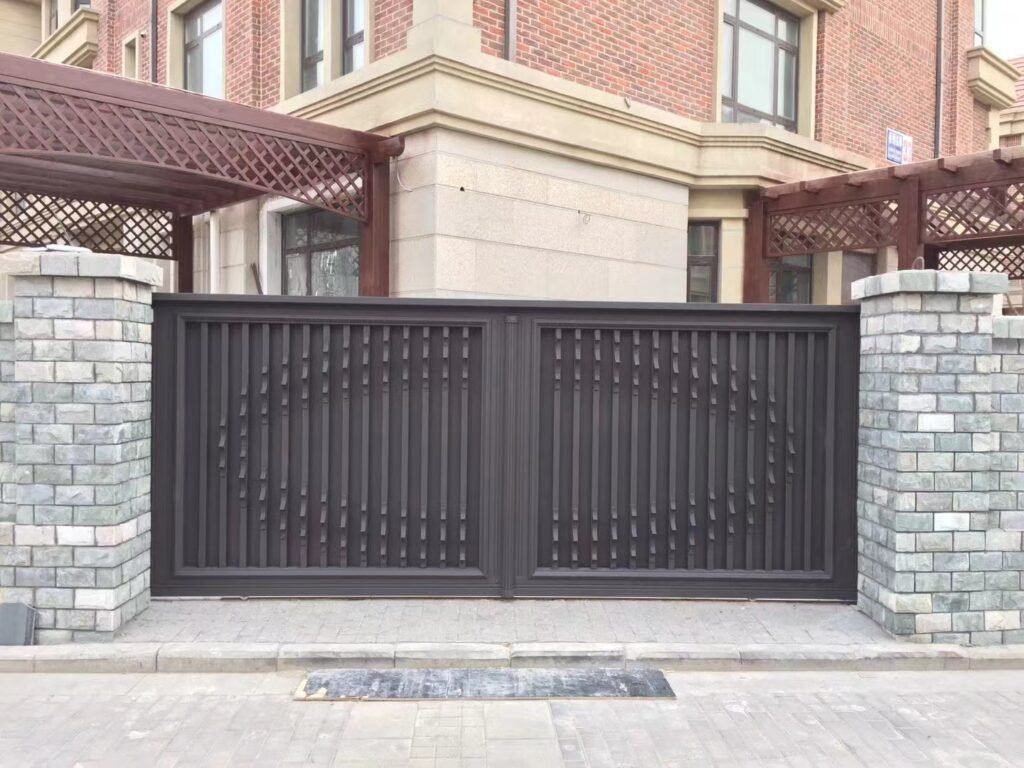
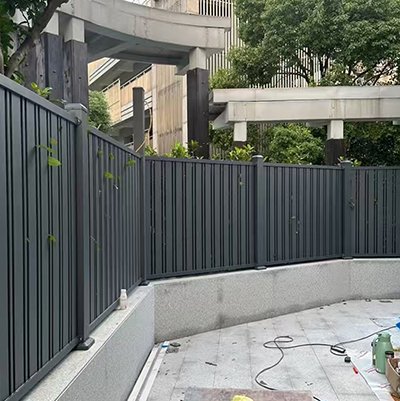
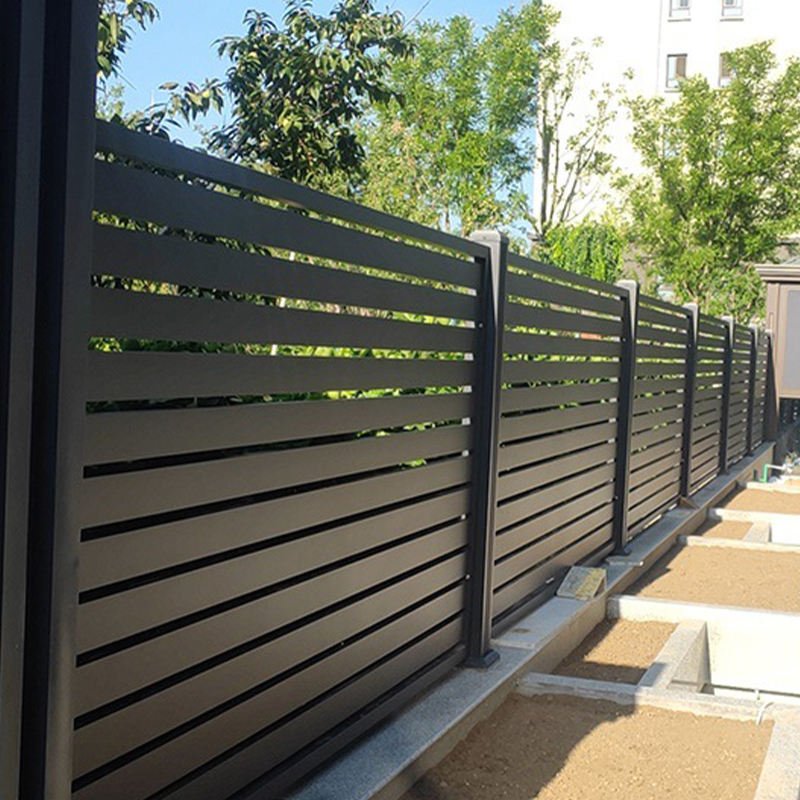
When it comes to creating an unforgettable first impression, your home’s front entrance carries the heaviest architectural weight. For decades, homeowners and architects were forced to choose between the classic warmth of wood, the heavy industrial security of steel, or the budget-friendly nature of fiberglass. However, as modern architectural trends shift toward sustainable luxury and minimalist aesthetics, premium aluminum entry doors have emerged as the absolute gold standard for contemporary residential architecture.
If you are designing a high-end property or upgrading an existing facade, here is a comprehensive breakdown of why high-grade aluminum entrance systems are dominating the luxury market.
💡 Why Aluminum is Redefining the Modern Grand Entrance
Historically, some buyers hesitated to install metal doors due to misconceptions about insulation. Today, manufacturing innovations have completely shattered those limitations, making aluminum one of the most structurally stable and versatile materials available.
1. Engineered Stability Against Extreme Weather
Unlike natural wood, which swells, cracks, and warps when exposed to shifting seasonal humidity, aluminum remains structurally inert. It develops a natural, protective oxide layer that shields it from rust and corrosion, making it the ideal choice for both high-humidity coastal villas and sub-zero northern climates.
2. Slimmer Frames, Massive Glass Panels
Because high-strength aluminum alloys possess an exceptional strength-to-weight ratio, manufacturers can engineer incredibly slim profiles. This architectural capability supports massive, floor-to-ceiling glass inserts without compromising the integrity of the door, maximizing the flow of natural daylight into your foyer.
3. Advanced Thermal Break Technology
Modern aluminum entrance doors are engineered with a “thermally broken” system. By placing a high-density, non-conductive insulating barrier between the interior and exterior aluminum profiles, these doors eliminate thermal bridging. When paired with triple-glazed argon-filled safety glass, they dramatically lower heating and cooling costs.
Comparative Analysis: Aluminum vs. Traditional Materials
To understand why custom aluminum entry doors are capturing the premium market share, it helps to look at a direct comparison with traditional alternatives:
| Performance Indicator | Aluminum Systems | Solid Hardwood | Heavy-Gauge Steel |
|---|---|---|---|
| Structural Lifespan | 40–50+ Years | 15–20 Years (Varies) | 20–30 Years |
| Maintenance Needs | Virtually Zero | High (Frequent Staining) | Medium (Rust Risk) |
| Warping & Swelling | None | High Vulnerability | None |
| Design Flexibility | Ultra-Slim / Pivot | Traditional / Bulky | Heavy Commercial Look |
| Eco-Sustainability | 100% Recyclable | Renewable but Limited | High Carbon Footprint |
Customization Trends and Long-Term ROI
Modern architectural facades increasingly favor oversized modern aluminum pivot door systems, textured powder-coated finishes in earthy or metallic tones, and flush-mounted smart security technology integration. Beyond aesthetics, aluminum entryways offer exceptional lifetime value. Requiring virtually no maintenance besides a simple wash, they enhance both daily living and overall property appraisal values for luxury real estate.